

How Light Affects Feng Shui
Article by Singapore Feng Shui Master Edwaard Liu
A house should be bright during the day and dark at night. This is the natural balance of Yin and Yang.
When a house remains dark throughout the day, such as a lower floor unit surrounded by tall buildings that block sunlight, the environment becomes excessively Yin. People living in such homes often feel less energetic, less motivated, and more prone to tiredness. Even in homes with sufficient natural light, some people keep their curtains closed all day. Over time, the occupants of those rooms may become increasingly lethargic and withdrawn. This is commonly seen in rooms where people spend most of their time indoors without exposure to natural daylight.
From a traditional Feng Shui perspective, places that are excessively Yin are also more attractive to beings from lower realms. For this reason, allowing natural sunlight into the home is not only beneficial for physical health but also for the overall energetic quality of the space.
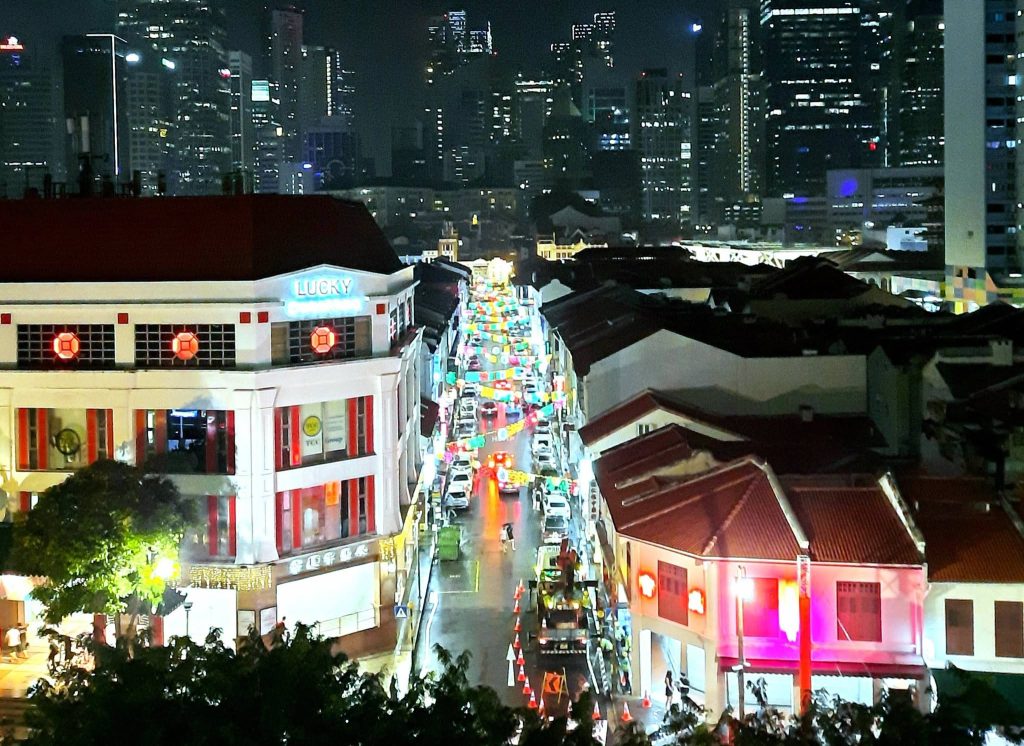
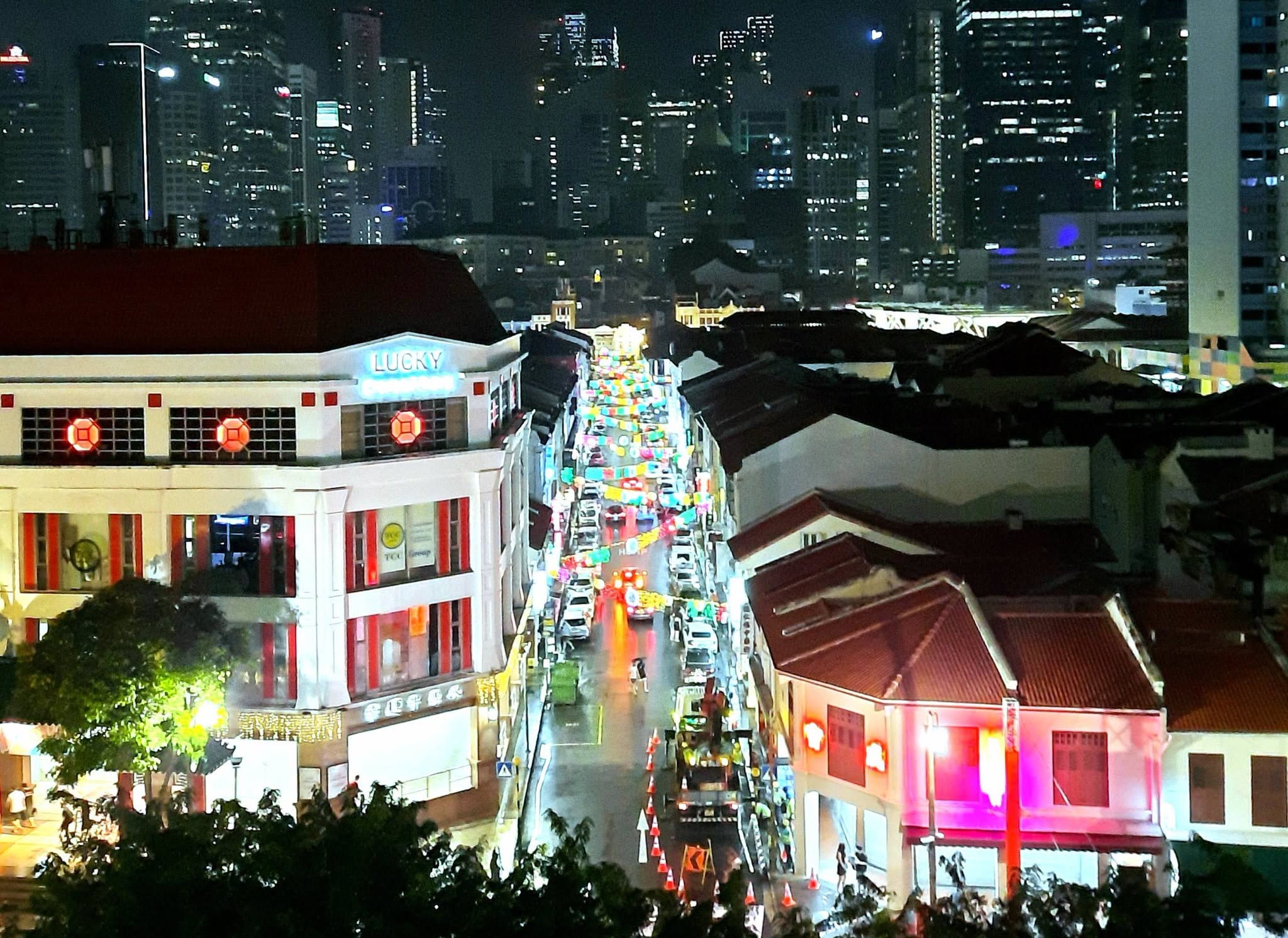
On the other hand, a house should be dark at night. If your unit faces busy roads, neon signs, brightly lit buildings, stadiums, or shopping centres that remain active until late at night, the excessive light and human activity create strong Yang energy. Even when curtains are closed, some of this influence may still enter the home.
Many people living above shopping centres or near entertainment districts experience poor sleep without understanding the cause. It is not only the brightness that affects them. The constant movement of people, vehicles, sounds, and activity generates excessive Yang energy, making it difficult for the occupants to rest properly. When Yin and Yang are out of balance, the quality of rest suffers.
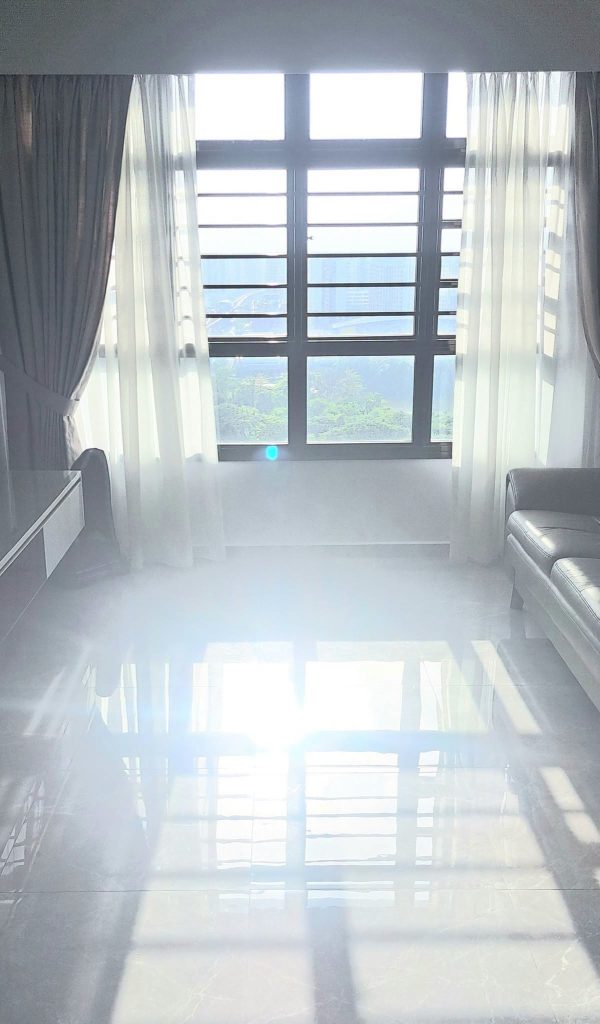
There is another situation known as 光煞, or Light Sha. This occurs when sunlight reflects strongly into the home from a nearby glass façade, mirrored surface, or water feature such as a swimming pool. The reflected light can be harsh and dazzling. Excessive glare creates discomfort and agitation for the occupants. In such cases, curtains, blinds, or suitable window treatments should be used to reduce the impact of the reflection.
For businesses, brightness is especially important. Years ago, a customer complained that the shop next door always had better business. I asked her to step outside and compare the two shops. The answer became obvious immediately. Her competitor’s shop was brighter, more inviting, and naturally attracted more attention.
Human beings are subconsciously drawn towards light. This is why brightly illuminated signboards catch our attention. It is also why restaurants often use strong lighting to showcase their food. Consider a roasted duck hanging under a spotlight. The light reflects off the glossy skin, making it appear more delicious and appealing. The same principle applies to retail stores and commercial spaces.
Of course, there are exceptions. Businesses such as nightclubs, bars, and certain entertainment establishments often rely on a darker atmosphere. If these places were brightly lit like a supermarket, customers might feel uncomfortable and less inclined to enter. Different industries require different balances of Yin and Yang.
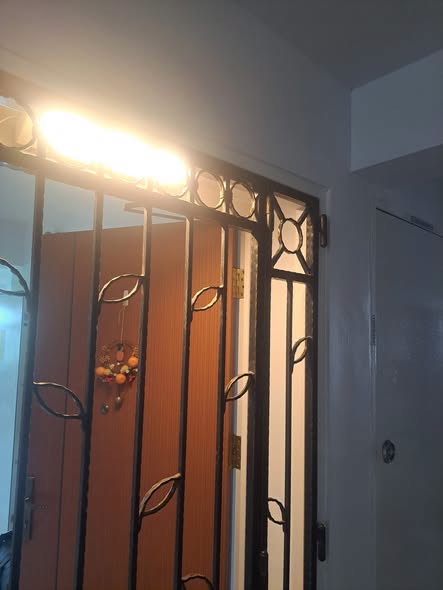
Around the main entrance of a house, both the inside and outside should be bright and welcoming. In Feng Shui, this is known as 明堂光亮, a bright hall. A bright entrance is associated with better opportunities, stronger reputation, and improved wealth prospects. When natural light is insufficient, I often recommend installing suitable lighting to enhance the brightness of these areas.
However, balance remains important. A unit that is excessively dark can make people feel sluggish and uninspired. A unit that is excessively bright can struggle to accumulate wealth because the energy becomes too active and unstable. Good Feng Shui is rarely about extremes. It is about achieving harmony.
For study rooms and workspaces, bright white lighting is generally more suitable because it promotes alertness, concentration, and mental clarity. Warm yellow lighting creates a cosy and relaxing atmosphere, making it ideal for bedrooms or resting areas. If you study or work under warm lighting for long periods, you may find yourself becoming sleepy and losing focus.
The position of the desk is equally important. A desk placed directly facing a window or with the back facing a window is usually not ideal. The occupant lacks support behind them, is more easily distracted by outside activity, and may be exposed to excessive brightness. These factors can affect concentration, productivity, and decision making.
In the end, light is one of the simplest yet most overlooked aspects of Feng Shui. Too little light creates stagnation. Too much light creates agitation. When the balance is right, people feel more energetic during the day, sleep better at night, and enjoy a healthier and more harmonious living environment.
Find out more about what we can do for your premise’s Feng Shui.
CONTACT US NOW!
Whatsapp us at 65-9320 4100 to make an appointment with Master Edwaard Liu today! Best Feng Shui solutions to improve your wealth, health, harmony and relationships.